Curriculum

PSHE / RSHE

At Greystones, we believe every child is entitled to an education that prepares them not only for academic success but also to thrive as rounded individuals in modern society. Personal, Social, Health and Economic (PSHE) education sits at the heart of how we fulfil this commitment. 

PSHE is not an add-on to our curriculum; it is fundamental to our children’s development as confident, healthy and respectful members of society. Through high-quality PSHE, we equip pupils with the knowledge, skills and attributes they need to stay safe, maintain wellbeing, and build positive relationships throughout their lives. 

PSHE Subject Introduction

Personal, Social, Health and Economic Education (PSHE) is our comprehensive curriculum for teaching and supporting children’s personal development, health, wellbeing and understanding of relationships. 

Within PSHE we teach Relationships Education and Health Education (RSHE) to all our pupils, thereby fulfilling the statutory requirements expected of all primary schools. We deliver these statutory subjects within our broader PSHE programme. Where we teach about puberty (how human bodies change through adolescence) and human reproduction (sex education), we do so in line with the principles and approach of the 2025 Relationships, Sex and Health Education (RSHE) statutory guidance, in which sex education itself remains non-statutory (but recommended) in primary schools. 

Our PSHE curriculum also includes age-appropriate aspects of economic education, preparing children to understand spending, saving and the world of work, and citizenship education including British Values, helping children understand their rights, responsibilities and role in society. Through our curriculum we teach respect for Protected Characteristics and introduce our pupils to the UN Rights of the Child https://www.unicef.org.uk/what-we-do/un-convention-child-rights/ 

Subject Aims for PSHE

Our curriculum is carefully designed to be developmental and progressive. From the moment children join our school, they begin to explore emotional literacy—learning to recognise, name and talk about feelings. This foundation grows year by year, helping pupils to manage emotions, develop resilience, understand others and make informed decisions that support their own and others’ wellbeing. 

By embedding PSHE across our school culture, we nurture a community where respect, inclusivity and responsibility flourish. In doing so, we prepare our pupils not only for the challenges of childhood but also for adulthood, work and active citizenship. 

We are committed to: 

· Supporting the whole child – recognising that children’s emotional and social development directly impacts their capacity to learn 

· Creating a safe, inclusive environment where every child feels valued and able to discuss concerns without fear or stigma 

· Building foundations for the future – providing age-appropriate learning that prepares children for the challenges and opportunities of adolescence and beyond 

· Working in partnership with families, recognising that parents are children’s first educators in most aspects of relationships and health 

· Embedding PSHE across school life – not just in weekly lessons, but through our values, relationships, and everyday interactions 

How we teach PSHE

At Greystones, we use the Jigsaw Programme as our starting point for teaching PSHE https://jigsaweducationgroup.com/programmes/primary/. We follow the programme for all elements, except the content on Puberty and Sex Education. For those aspects of RSHE, we have adjusted when some elements are taught. These changes have been approved by our Governors and are based on consultation with our families.  

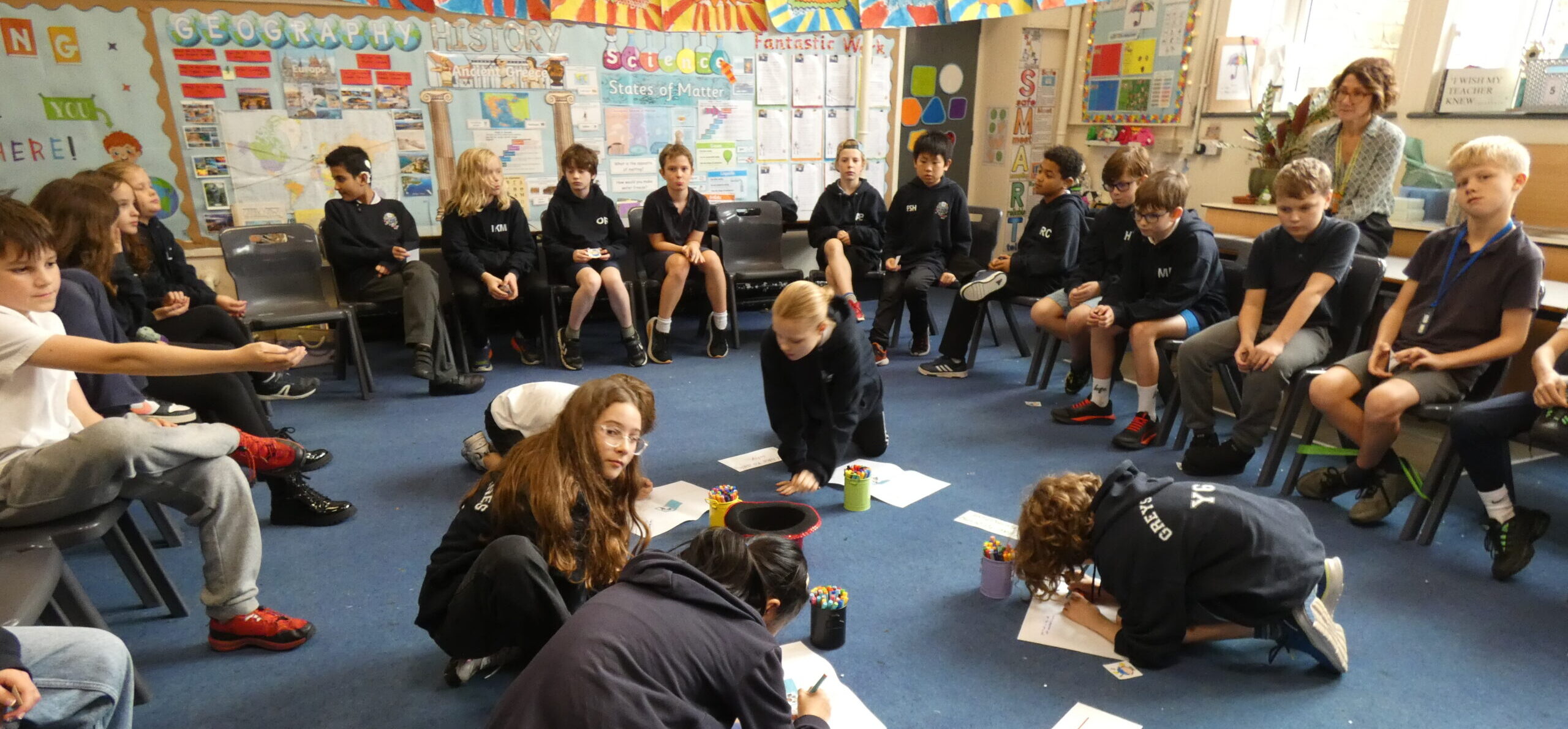
In KS1 and in KS2, we teach lessons using a Community of Enquiry approach, as developed within Philosophy for Children  https://www.structural-learning.com/post/p4c. Typically, classes sit in a circle and are trained in ways to listen, comment, question, justify and participate in lessons so that every voice is heard and respected. This approach has grown directly from our school values of ‘Voice’ and ‘Teamwork’ and supports our goal of developing active citizens of the future. 

Information about Relationships, Sex and Health Education at Greystones

RSHE puts in place the building blocks for children to understand healthy and respectful relationships, focusing on family and friendships. Children consider what a good relationship (between family members, between friends) looks like, sounds like and feels like, in all contexts – including online. RSHE also teaches children how to be healthy. ​

​Parents at all primary schools have the right to withdraw their child from lessons that teach sex education (or human reproduction). At Greystones, these lessons are taught in the Summer term as part of the ‘Changing Me’ unit. All children in primary schools in England, including Greystones, learn about how girls and boys bodies will change during puberty. This is a statutory part of the curriculum for all pupils. Sex Education (conception and intercourse) is taught in Year Six. This is not a statutory part of the curriculum in primary and as such, parents may request their children do not attend these lessons. 

Each year, we invite parents and carers to come into school to look at the materials we teach before the non-statutory parts of the Jigsaw programme are  covered during the Summer Term. Lessons on puberty take place in Year Four and Year Five. The lesson on human reproduction or conception takes place in Year Six. Before any parent removes their child from a lesson, we strongly recommend that you come in to school to view the materials and discuss the approach that we use.