Science is a way of thinking much more than it is a body of knowledge
Carl Sagan

Curriculum
Science is a way of thinking much more than it is a body of knowledge
Carl Sagan
At Greystones, we foster a lifelong curiosity about the world and a deep respect for all living and non-living things. Our science curriculum combines essential knowledge with hands-on skills. While many of our children enter Greystones with a comparatively high level of science knowledge, we ensure our curriculum stretches, challenges and inspires every single child, regardless of their background or starting points. We want our pupils to engage creatively and effectively with the modern world, empowering each child to become the scientists and engineers of tomorrow. We want pupils to recognise the power of rational explanation through science.
Our vision is built on our school values:
The national curriculum for science aims to ensure that all pupils:
By continuously building on their ‘Working Scientifically’ skills, our pupils learn to confidently experiment, ask big questions, and reason about the world around them.
Our curriculum is organised and sequenced by experienced science leaders using the PLAN matrix to ensure clear progression across all year groups. Class teachers deliver science in half-termly blocks, with 3-6 lessons in each block. These units are carefully timed to align with seasonal changes (such as Y1 studying deciduous and evergreen plants in winter), the developmental maturity of our children and links with other subject areas.
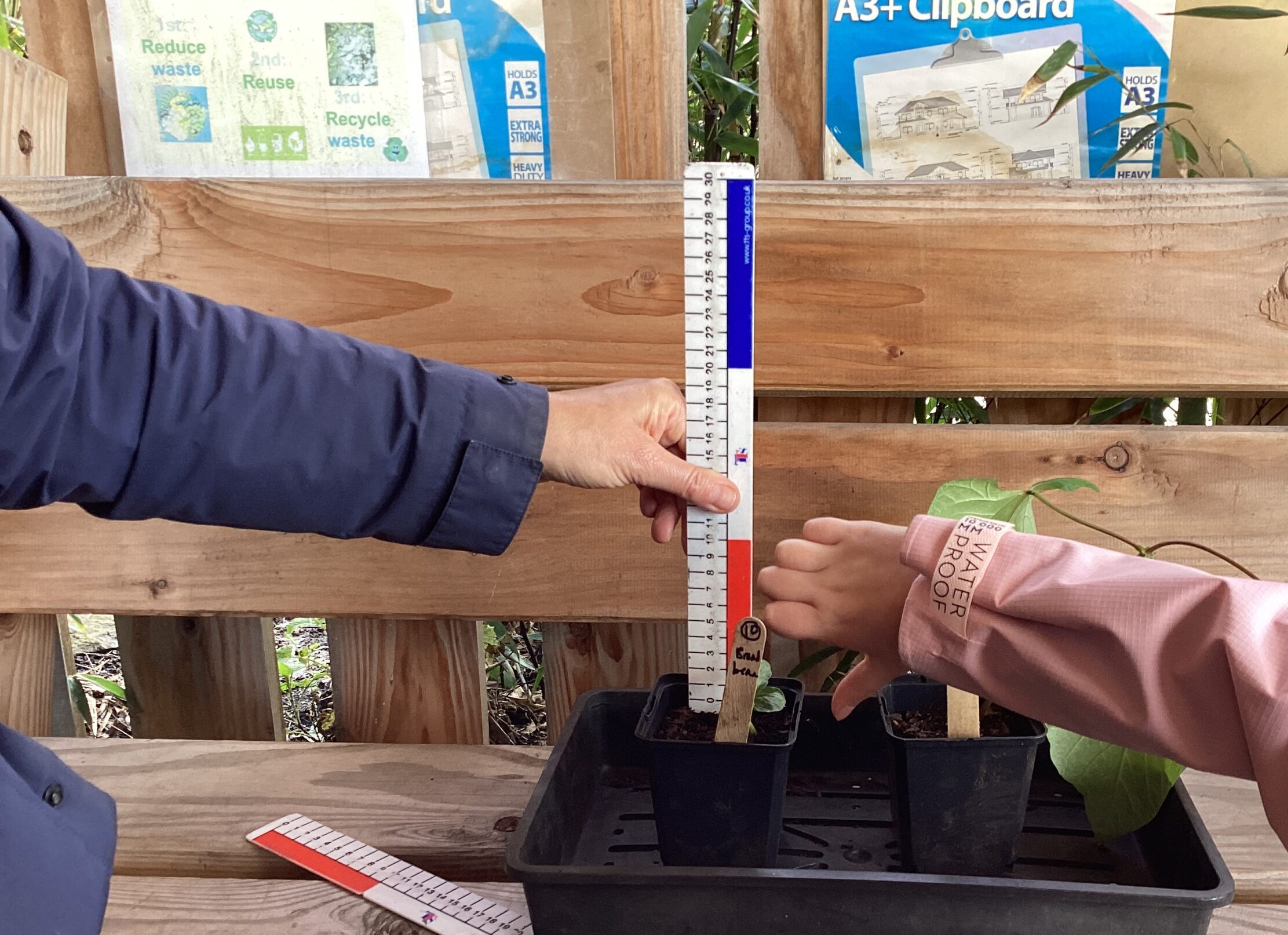
In foundation stage, our youngest pupils begin developing crucial ‘working scientifically’ skills such as observation and basic prediction. This is embedded naturally through playful inquiry, regular science focus areas in the provision and frequent observation and discussion of seasonal change. Outdoor learning is central to this approach, and children have lots of real-world experiences such as farm and allotment trips and planting beans and seeds. This vocabulary-rich, practical start perfectly prepares our children for KS1 science.
Our curriculum is built so that the foundational concepts loop and expand over time, and we prioritise long-term memory through spaced repetition and relevant flashback retrieval activities. For example, core learning on ‘animals including humans’ is repeated and deepened every year from FS2 to Y6, while KS1 ‘everyday materials’ knowledge feeds into KS2 units such as rocks and electricity (metals as conductors).